
Key Takeaways
- An adjustable weight bench can replace three separate benches, flat, incline, and decline, in a single piece of equipment, saving both space and money in a home gym.
- Weight capacity, adjustment range, padding, and frame stability are the main factors that determine how well an adjustable bench performs.
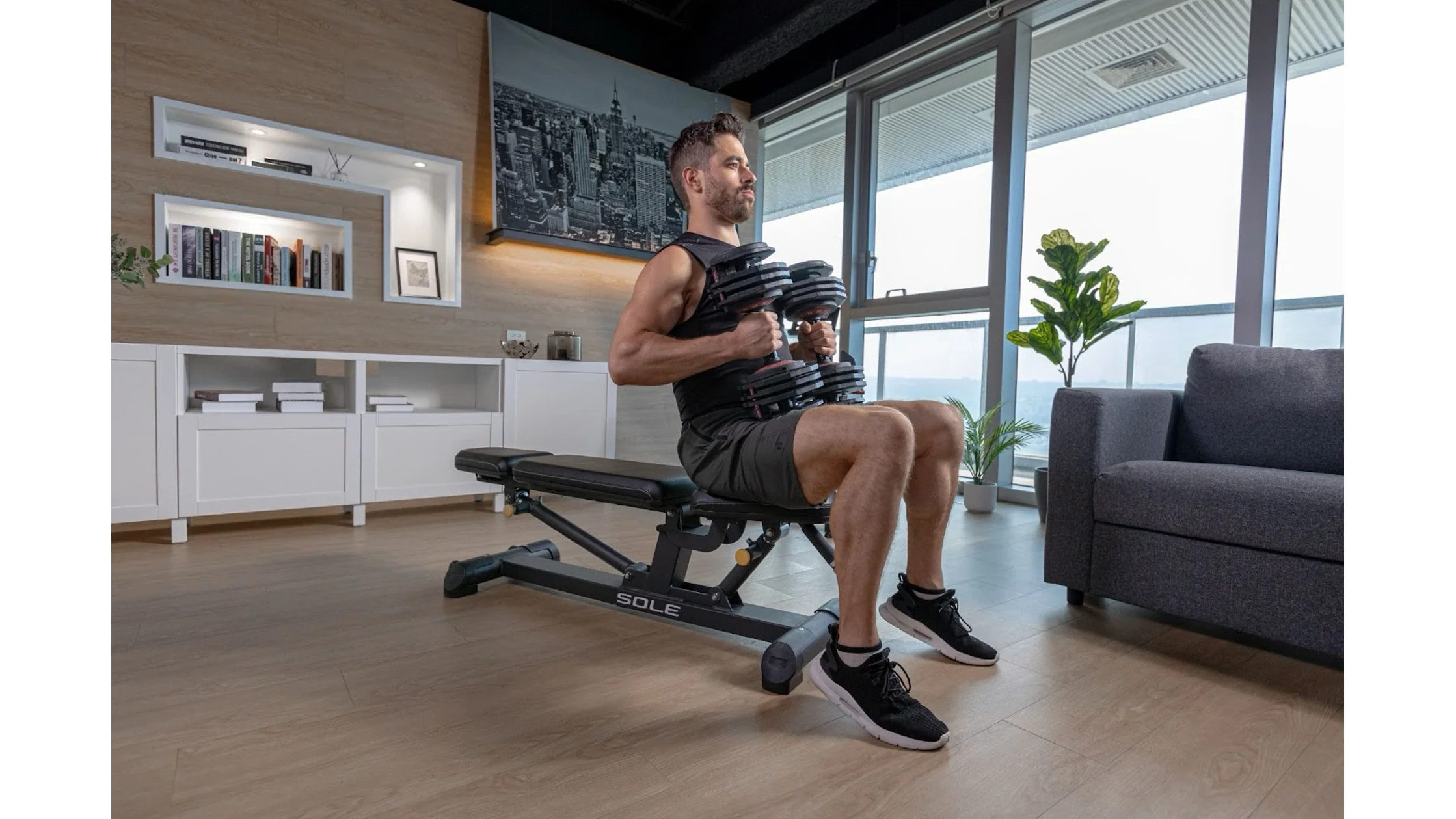
- The SOLE SW116 is the top pick for most home gym owners in 2026, thanks to its 14 adjustment combinations, sturdy construction, comfortable padding, and included SOLE+ programming.
- The REP AB-5000 is a strong choice for heavy lifters who prioritise a 1,000-pound capacity and Zero Gap design, while the AB-3000 2.0 offers strong value and built-in decline.
- Rotating through incline, flat, and decline angles helps target the chest, shoulders, and back more completely than a single fixed position ever could.
An adjustable weight bench is often the second most important purchase for a home gym, right after a power rack. It sets the angle, the stability, and the comfort level for nearly every upper-body lift a lifter will ever perform.
This piece compares three standout options for 2026. For most home gym owners, the SOLE SW116 is the top pick because it offers the strongest overall combination of adjustability, comfort, usability, and included workout programming.
One Bench, Three Benches Replaced
A flat bench only does one job. An adjustable bench does the work of three: flat, incline, and decline, all folded into one frame. That distinction matters most in a home gym, where floor space is limited and every square foot needs to earn its keep.
Swapping between positions on an adjustable bench also opens up a wider range of exercises without buying extra equipment. Flat presses, incline presses, decline crunches, seated shoulder work, step-ups, and Bulgarian split squats can all happen on the same frame.
Space savings translate into cost savings, too. Buying three separate benches, each with its own frame, padding, and footprint, adds up fast in both dollars and square footage. One well-built adjustable bench solves the same problem with a smaller price tag and a smaller footprint, which is exactly why it tends to be one of the first purchases recommended for a serious home setup.
Why Weight Capacity Signals Quality
Weight capacity is a number tied to safety margins that tells a bigger story about how a bench is built. Higher-rated benches typically use heavier-gauge steel and sturdier welds, which means less flex and wobble during heavy presses or rows.
Quality home benches are commonly rated between 550 and 1,000 pounds. That range is not accidental. It accounts for body weight, the loaded barbell or dumbbells, and a safety cushion on top, so the frame never gets pushed to its actual limit during normal use.
A simple way to think about it: add body weight to the heaviest expected lift, then build in some breathing room. Someone weighing 180 pounds who benches 250 pounds needs at least 430 pounds of rated capacity, and ideally more. A bench rated for 550 or 1,000 pounds provides room to grow stronger without outgrowing the equipment.
Three Adjustable Benches Compared
Comparing benches side by side makes the differences easier to spot. Each of these three models takes a different approach to adjustability, comfort, and price, which makes them a useful cross-section of what is available for home gyms right now.
SOLE SW116: Adjustable Positioning
The SOLE SW116 is our top pick for most home gym owners because it balances adjustability, comfort, build quality, and ease of use particularly well. It offers 14 total adjustment combinations, with nine backrest positions ranging from flat to a fully upright 90 degrees and five seat positions to match. That level of granularity makes it easier to dial in the precise angle a specific exercise calls for instead of settling for the closest available setting.
The frame carries a 550-pound weight capacity, built with a heavy-duty steel welding structure designed to hold steady through demanding sets. Commercial-grade cushion padding keeps its shape over repeated use, and integrated transport wheels with a handle make repositioning simple in a compact home gym footprint. Every purchase also includes free access to the SOLE+ App, which adds hundreds of workout classes and thousands of hours of programming without a separate subscription fee.
REP AB-5000: Zero Gap Technology
The REP AB-5000 tackles a common complaint about adjustable benches: the gap between the seat and back pad that digs into the lower back during flat pressing. Its Zero Gap technology relies on a patented sliding seat mechanism to close that space at any angle, which noticeably improves comfort during heavier flat work.
Built from 11-gauge steel, this bench carries a 1,000-pound weight capacity and offers seven back pad positions along with five seat positions, including a negative 15-degree decline setting. A pop-pin adjustment system locks into laser-cut, degree-marked holes for quick and accurate angle changes, and dense foam padding wrapped in grippy vinyl helps keep lifters planted during heavy sets.
REP AB-3000 2.0: Built-In Decline
The REP AB-3000 2.0 shows that a budget-friendly price tag doesn’t have to mean a compromise on build quality. Constructed from the same 11-gauge steel as pricier options, it also carries a 1,000-pound weight capacity, with eight back pad angles set at -12, 0, 15, 30, 45, 60, 70, and 85 degrees, plus five seat positions.
Built-in leg rollers handle decline movements without requiring an extra attachment, and a ladder-style back adjustment with laser-cut numbering makes switching angles fast. Compared to its earlier generation, this version adds a wider front post and rubber feet for improved stability, which matters when pressing heavy weight from an incline or decline position.
Choosing the Right Angles and Stability
Picking a bench comes down to more than counting adjustment holes. The way those angles combine with pad quality and frame stability determines whether a bench actually performs well under load or just looks impressive on a spec sheet.
Back and Seat Position Counts
More back and seat positions generally mean finer control over pressing and rowing angles, which lets lifters target specific muscle fibers more precisely. A bench with nine backrest positions allows small adjustments between flat and fully upright, rather than jumping straight from a shallow incline to a steep one.
Seat position matters just as much as backrest angle, since it affects hip position and power output during presses and step-ups. Five seat positions, a common feature across all three benches compared here, tend to offer enough range for most home training needs without overcomplicating the setup.
Pad Quality and Frame Stability
Padding density affects both comfort and performance, since a pad that compresses too easily under heavy weight can undermine confidence during a heavy press. Commercial-grade cushioning, dense foam wrapped in vinyl, and grippy surface materials all help a lifter stay locked in place rather than sliding during a set.
Frame stability comes from a combination of steel gauge, welding quality, and design details like a wider front post or non-slip feet. A bench that flexes or rocks during a heavy set undermines confidence and form, which is exactly why weight capacity and construction quality go hand in hand.
Targeting Muscles From Every Angle
Changing the incline or decline angle on a bench changes which muscle fibers do most of the work. Incline positions shift emphasis toward the upper chest and front shoulders, while decline positions bring more focus to the lower chest. Flat positions remain the standard for building overall chest and pressing strength.
This kind of angle variety supports more complete muscle development over time, since no single angle trains a muscle group evenly on its own. Rotating through different positions across a training week also supports progressive training without needing to buy additional equipment, since the same bench can scale a workout simply by changing the angle or the load.
A stable bench surface also improves range of motion compared to pressing from the floor, which can translate into greater strength gains over time. That extended range of motion, combined with the ability to adjust angles precisely, is part of why adjustable benches are considered a foundational piece of home gym equipment.
One Bench Covers Every Lift
A single adjustable bench realistically covers the vast majority of upper-body strength work a home gym owner will ever need: flat and incline pressing, shoulder work, rows, flyes, step-ups, and split squats all fit onto one frame. That versatility is the whole reason this piece of equipment tends to top the shopping list right after a rack.
Choosing between models comes down to priorities. A lifter who values fine-tuned positioning and app-based programming alongside solid steel construction might lean toward a bench like the SW116. Someone who presses heavy and wants to eliminate pad gap discomfort might prefer the Zero Gap design of the AB-5000, while a budget-conscious lifter who still wants a 1,000-pound capacity and built-in decline might land on the AB-3000 2.0. Whichever direction fits best, starting with a well-built adjustable weight bench gives any home gym a stable foundation to build strength for years to come.
SOLE Fitness
56 Exchange Pl.
Salt Lake City
UT
84111
United States


