Stephen Jordan of SMJ Plumbing outlines common warning signs that may indicate developing plumbing problems and the importance of early attention.
SLIDELL, LA, UNITED STATES, August 7, 2026 /EINPresswire.com/ — SLIDELL, La. — Plumbing systems often provide early warning signs before a significant failure occurs. Recognizing those indicators can help homeowners address developing issues before extensive water damage, property repairs, or higher utility costs become concerns. According to Stephen Jordan, CEO and Founder of SMJ Plumbing in Slidell, many service calls begin with symptoms that appeared minor but gradually developed into larger problems.
One of the most common indicators is an unexpected increase in a monthly water bill. When household water usage remains consistent but costs continue to climb, a hidden leak may be present. Leaks beneath flooring, behind walls, inside ceilings, or underground frequently remain undetected until visible damage begins to appear. Even a small leak can waste a considerable amount of water over time while affecting surrounding building materials.
Slow drains also deserve attention, particularly when multiple fixtures begin draining slowly at the same time. A single sink or tub may simply have a localized blockage, but several slow drains throughout a home can indicate restrictions within the main drain or sewer line. Delaying repairs may increase the likelihood of backups and water damage.
Changes in water pressure can also signal developing plumbing concerns. Mineral deposits inside piping, aging plumbing materials, hidden leaks, partially closed valves, or municipal supply changes may all contribute to reduced water flow. Although low pressure may initially seem like an inconvenience, it can also point to conditions requiring further evaluation.
Unusual sounds should not be ignored. Gurgling drains, banging pipes, whistling fixtures, or toilets that refill unexpectedly can all indicate air within drain lines, excessive water pressure, loose piping, worn components, or developing blockages. Plumbing systems generally operate with minimal noise, making new or recurring sounds worth investigating.
Visible signs of moisture inside a home often provide another indication that plumbing attention may be necessary. Water stains on ceilings, peeling paint, bubbling drywall, warped flooring, damp cabinetry, or persistent musty odors frequently suggest moisture intrusion. Left unresolved, prolonged exposure to water can contribute to mold growth, wood deterioration, and structural damage.
Water heaters also tend to provide warning signs before complete failure. Rumbling, popping, or cracking noises may indicate sediment accumulation inside the tank. Fluctuating water temperatures, rusty water, leaking around the unit, or reduced hot water capacity can all signal maintenance needs or aging equipment.
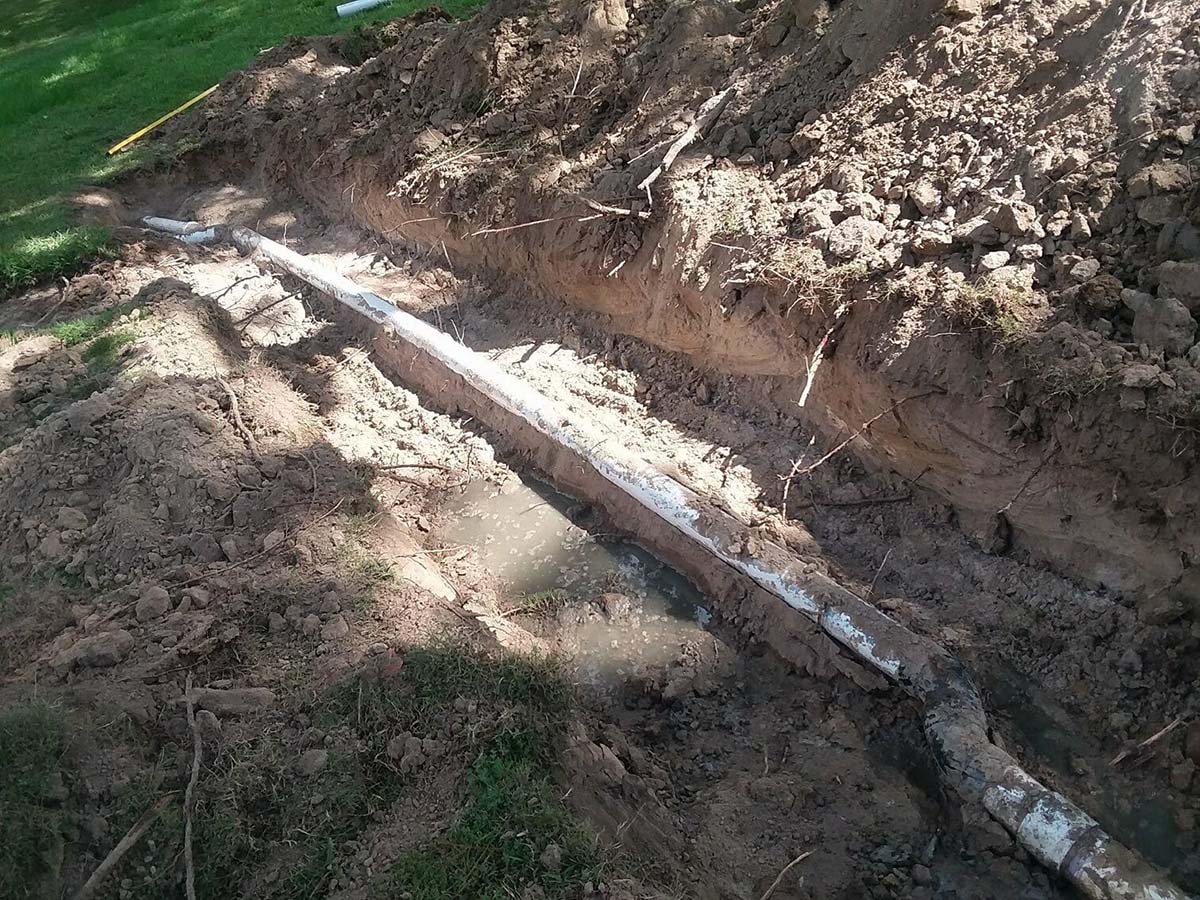
Outdoor plumbing deserves equal attention. Constantly wet areas in the yard, unusually green patches of grass, standing water, or unexplained erosion may indicate underground water line leaks. Sewer line problems can also produce foul odors, soggy ground, or wastewater surfacing outdoors. These conditions often become more difficult and costly to repair when left unaddressed.
Another commonly overlooked issue involves continuously running toilets and dripping faucets. Although these fixtures may continue functioning for extended periods, ongoing water loss can significantly increase utility expenses over time. Small fixture repairs often prevent unnecessary waste while helping maintain efficient plumbing performance.
Seasonal weather changes may also expose plumbing weaknesses. Heavy rainfall can place additional strain on drainage systems, while freezing temperatures can damage vulnerable piping. Older plumbing materials may become more susceptible to leaks as environmental conditions change throughout the year.
Routine observation remains one of the most effective methods for identifying plumbing problems before emergency situations develop. Paying attention to unusual odors, sounds, moisture, pressure changes, and water usage patterns can provide valuable information about the overall condition of a home’s plumbing system.
“Most plumbing emergencies begin as small issues that gradually become larger problems,” said Stephen Jordan, CEO and Founder of SMJ Plumbing. “A slow drain, an unexplained increase in a water bill, or an unusual sound coming from the plumbing system may seem insignificant at first, but those symptoms often indicate an underlying issue. Addressing concerns early generally helps limit damage and allows repairs to be completed before a plumbing emergency occurs.”
Industry professionals recommend periodic inspections of visible plumbing components, including exposed pipes, faucets, shut-off valves, water heaters, and appliance supply lines. Checking these areas for corrosion, leaks, or signs of wear can help identify developing problems before they affect other portions of a property.
As homes age, plumbing systems naturally experience wear caused by daily use, water quality, and environmental conditions. Pipes, valves, fixtures, and water heaters all have expected service lives that vary depending on materials and maintenance history. Understanding the warning signs associated with aging plumbing allows homeowners to make informed decisions about repairs and replacements before unexpected failures occur.
Recognizing early indicators does not necessarily mean extensive repairs are required. In many cases, identifying a plumbing issue during its early stages allows corrective action to be taken before additional damage develops. Awareness of common warning signs remains an important part of maintaining the safety, efficiency, and long-term reliability of residential plumbing systems.
Lila J
SMJ Plumbing
email us here
Legal Disclaimer:
EIN Presswire provides this news content “as is” without warranty of any kind. We do not accept any responsibility or liability
for the accuracy, content, images, videos, licenses, completeness, legality, or reliability of the information contained in this
article. If you have any complaints or copyright issues related to this article, kindly contact the author above.

Media gallery